Annual Report 2025
Download ReportTaking Stock of 2025:
In 2025, CIVIC worked alongside communities, security actors, governments, and multilateral institutions to strengthen civilian protection in conflict-affected countries.
The report also highlights our growing work on emerging challenges, including AI-enabled warfare and autonomous weapons systems, as we prepare to launch CIVIC’s 2026-2030 Strategic Plan.
Some of our key highlights of 2025:
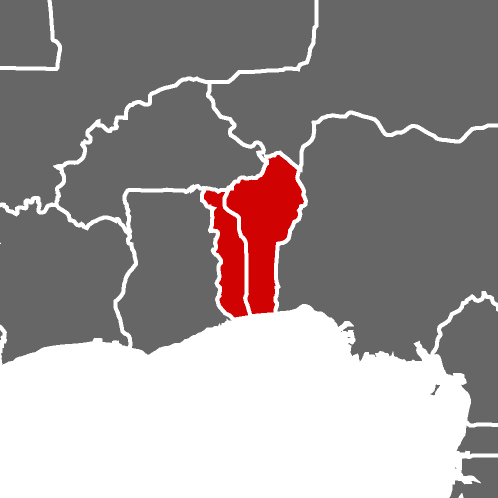
Benin & Togo
CIVIC strengthened its presence in Benin and Togo by securing the necessary registrations and authorizations to launch civilian protection programming. Key achievements included conducting 402 civilian perception surveys, engaging and training local NGOs, convening a high-level policy dialogue in Cotonou, and supporting Protection of Civilians training for 400 Beninese soldiers in Operation Mirador to enhance civilian protection in frontline security operations.
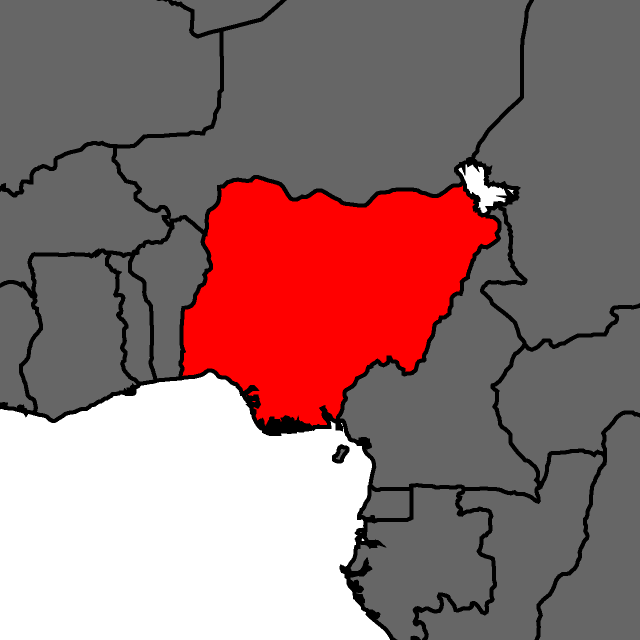
Nigeria
CIVIC advanced civilian protection through community-led initiatives and stronger institutional partnerships. Community Protection Committees supported the rescue of abducted farmers in Kofa, while women-led dialogue in Adamawa helped resolve local tensions. Over 500 staff and community actors were trained on preventing sexual exploitation, abuse, and harassment, and agreements with Nigerian security institutions strengthened the integration of civilian protection practices. CIVIC also shared field-based evidence with the UK International Development Committee to highlight the role civilians play in protecting their communities.
Sudan
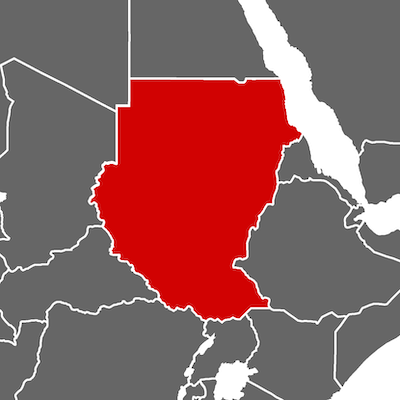
In Sudan, CIVIC established its country office and launched programming across four conflict-affected states, working with five national partners—including women- and youth-led organizations—to support community-based protection. CIVIC documented patterns of civilian harm through assessments and interviews with displaced civilians, strengthened engagement with state institutions, and elevated civilian perspectives to inform early warning efforts and post-incident analysis.
Somalia
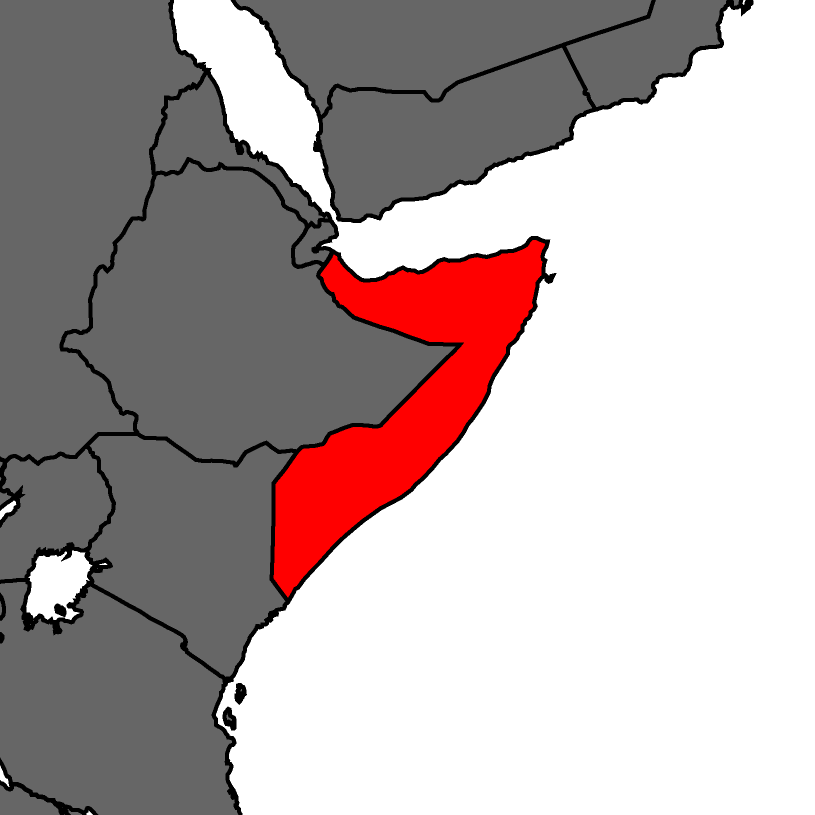
In Somalia, CIVIC supported the development of the country’s first national Protection of Civilians policy, helping establish government responsibility for civilian harm mitigation. CIVIC also trained 496 security personnel, convened 13 civil–military dialogue forums reaching more than 500 participants, and strengthened community–security cooperation, contributing to tangible protection outcomes such as the return of an occupied school in Adale and the recovery of civilian property. These efforts were accompanied by positive behavioral changes among armed actors, including improved treatment of deceased fighters.
Sahel
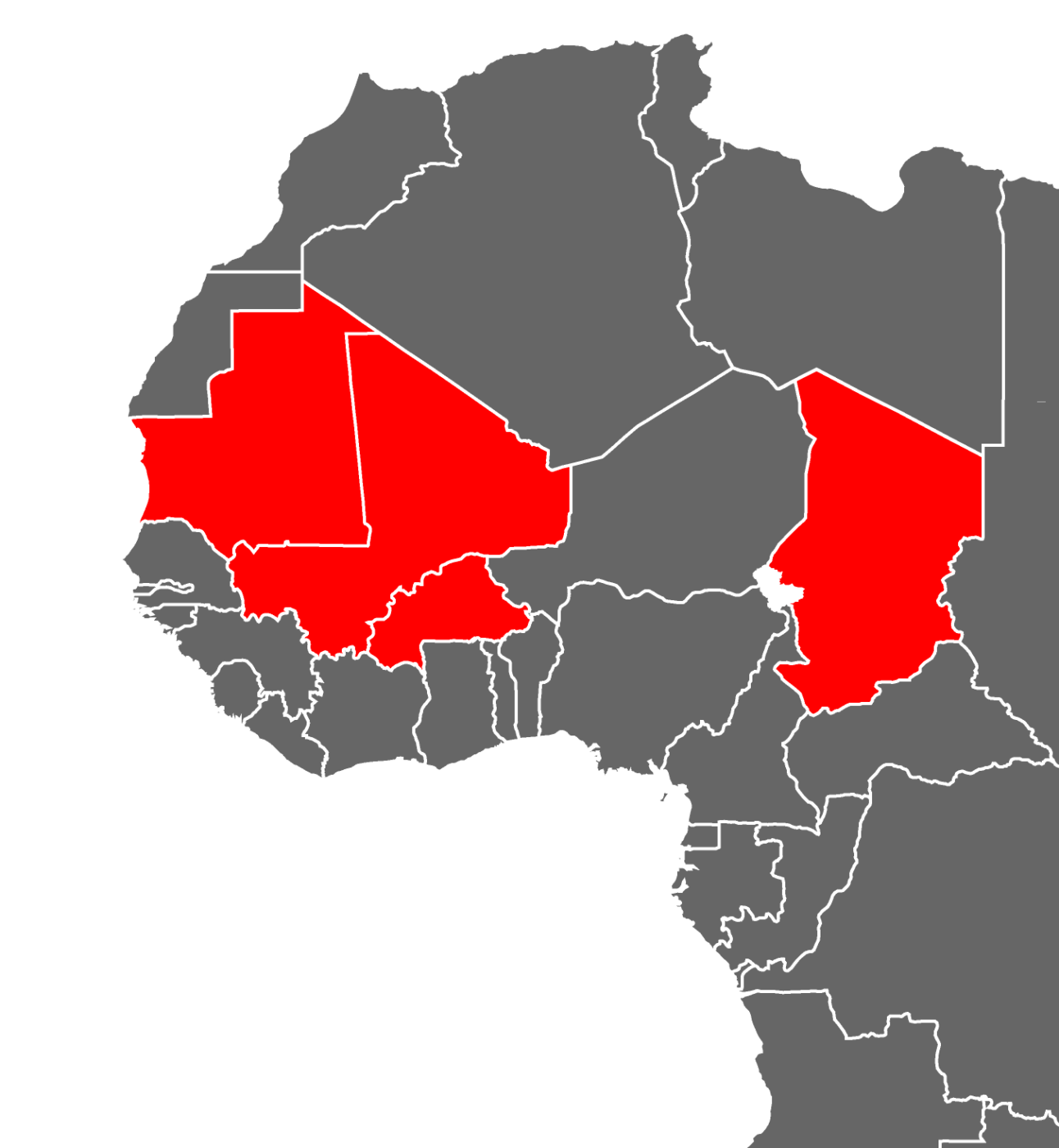
In the Sahel, CIVIC strengthened civilian protection by training more than 300 military personnel, with 90% of trained soldiers applying protection practices to reduce risks to civilians. The certification of 41 military trainers helped institutionalize civilian protection within national armed forces, while strengthened community protection groups enabled civilians to raise concerns and influence local solutions. CIVIC also provided research-informed briefings to senior leaders to support more informed and proactive protection efforts.
Syria
Yemen
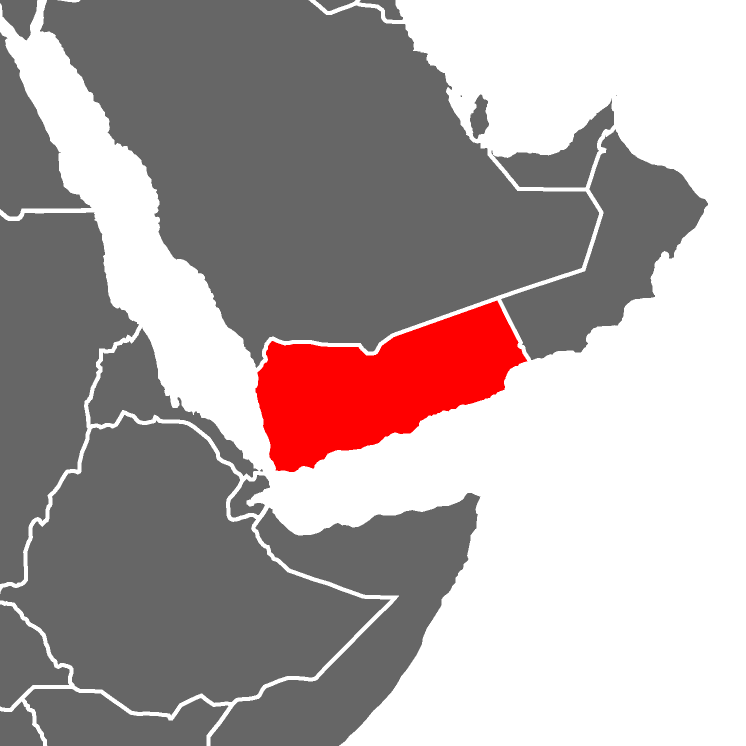
In Yemen, CIVIC strengthened civilian protection through the adoption of a Weapon-Free Zone Action Plan in Taiz, training more than 680 military and security personnel on Protection of Civilians, and empowering Community Protection Groups to monitor violations and report abuses. CIVIC also supported the establishment of a Cyber Extortion Unit to address digital violence against women and girls and implemented 52 community-led protection initiatives, including early warning mechanisms and safer routes monitoring.
Ukraine
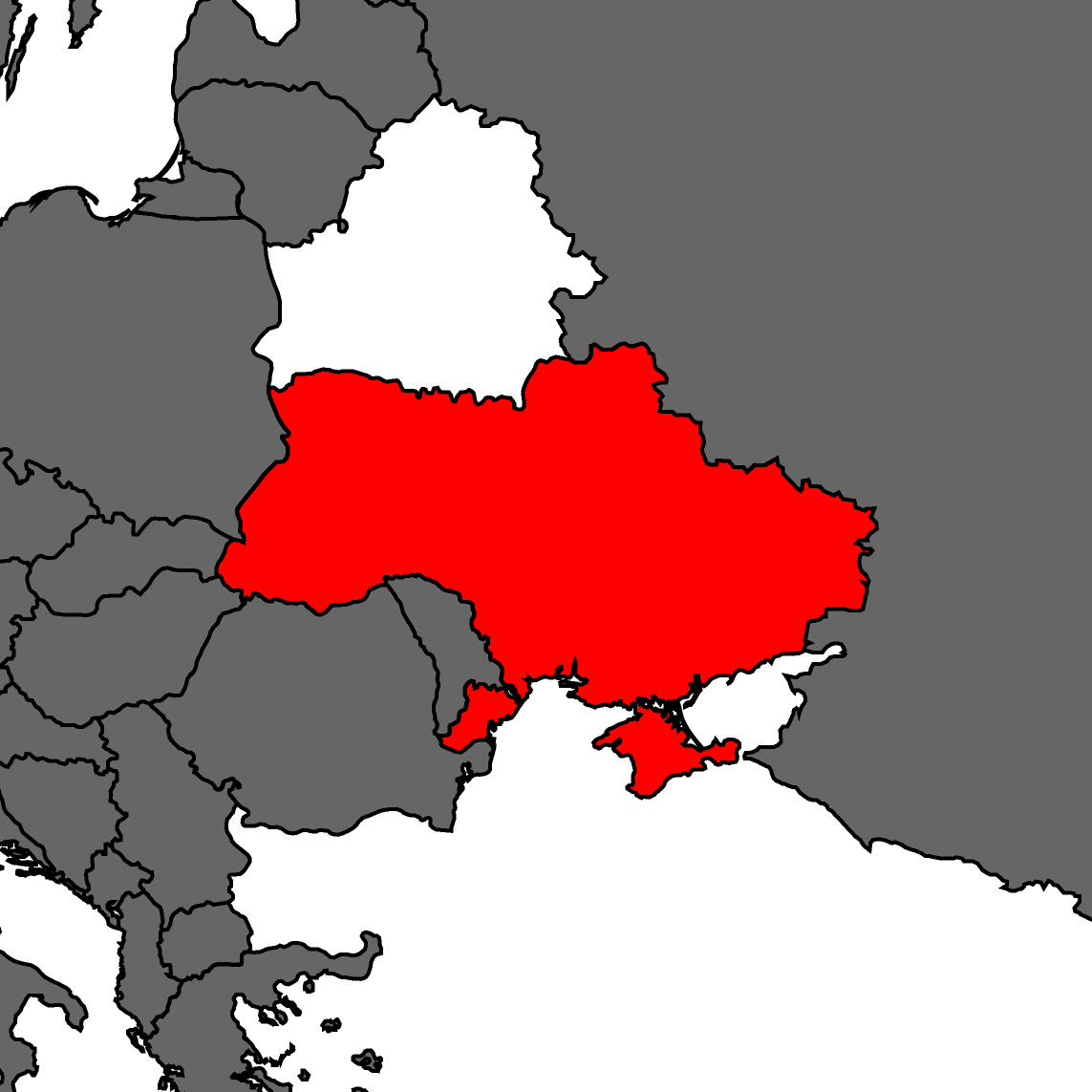
In Ukraine, CIVIC strengthened community resilience and civilian protection through 97 Community Protection Group meetings across eight oblasts, the implementation of 52 locally led protection projects, and training for more than 2,700 community members on emergency preparedness and crisis response. CIVIC also helped strengthen 244 schools, hospitals, and other critical facilities while institutionalizing civil–military dialogue to improve communication and coordination during emergencies.
United States
United Nations
At the United Nations, CIVIC defended protection of civilians as a core priority amid budget cuts, geopolitical tensions, and Security Council gridlock, while expanding engagement beyond traditional actors by convening senior African military leaders during Protection of Civilians Week. CIVIC also elevated civilian perspectives through research such as the Protection of Civilians Trends Report, advanced gender-responsive protection approaches by integrating the experiences of women and girls into policy discussions, and strengthened links between field realities and global decision-making.