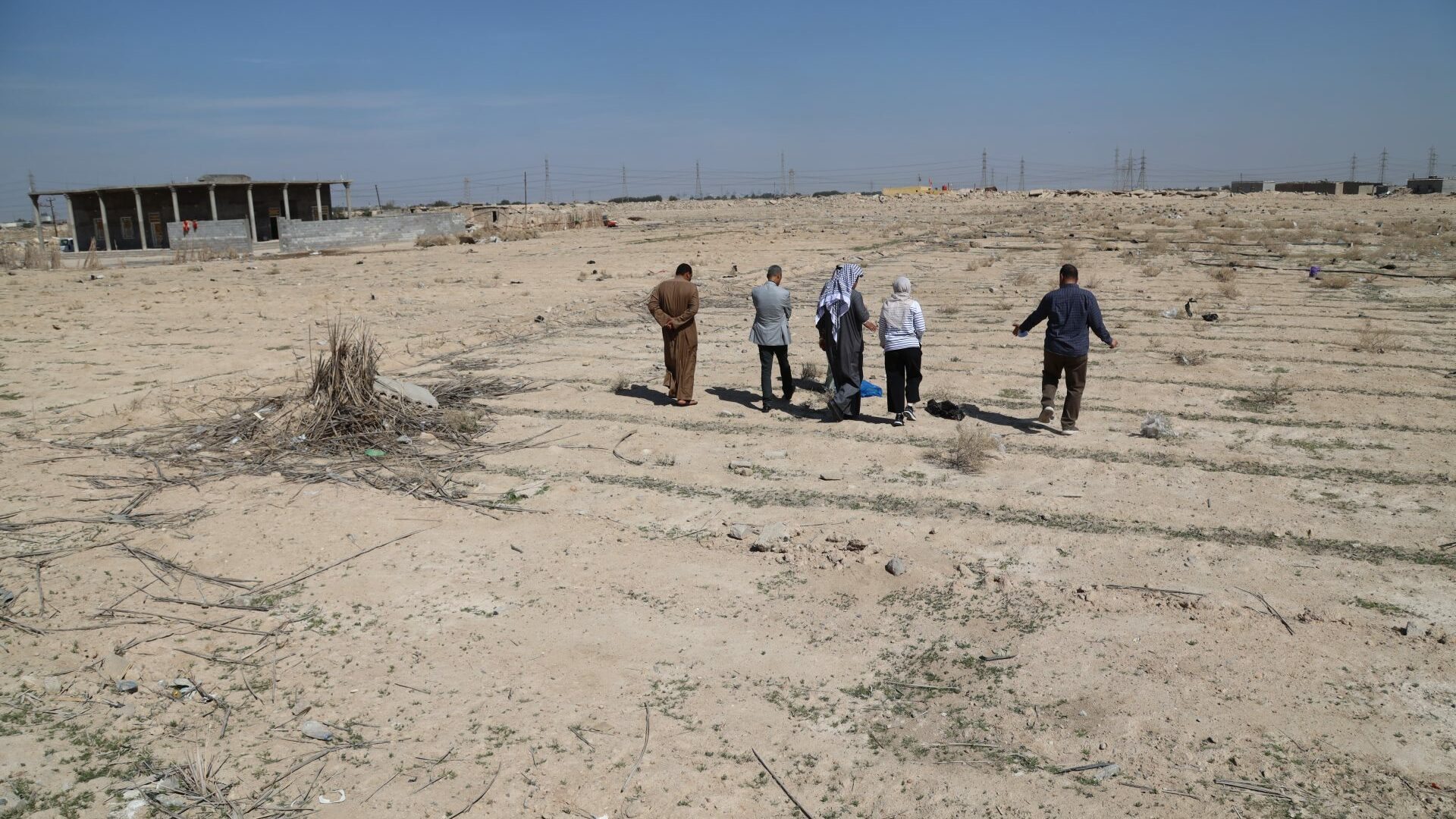
Climate change is causing more – and more intense – natural disasters, along with other gradual, but significant changes in the natural environment, including desertification, sea-level rise, and temperature rise. Both the rapid and gradual events caused by climate change can lead to civilian displacement, the relocation of communities, local competition over resources, food or water insecurity, and strained state capacity. When combined with other factors, this can increase the possibility of violence.
CIVIC sees three specific ways that climate change will intensify the challenge of protecting civilians in conflict:
- Climate change will expose civilians to violence in more and different places. Although the effects of climate change on the risk of violence will always depend heavily on local context, it will likely expose more civilians to the effects of violence in more places around the world simultaneously, including areas that are not currently in focus. The need for measures designed to prevent, minimize, and address harm will be far greater and at a much larger scale.
- Climate change may alter and exacerbate civilian and community vulnerabilities, while also straining state capacity, in places currently experiencing conflict or with a recent history of conflict. The effects of climate change can change the nature of civilian and community vulnerabilities to violence, whether by exacerbating risk factors (such as distances traveled within conflict areas for resource management) or by affecting different segments of the civilian population in different ways. Meanwhile, climate-induced hazards – both sudden and gradual – will strain the capacity of states to protect civilians amidst strained resources and competing priorities.
- Climate change may invite a role for security institutions in national adaptation plans without sufficient regard for POC policies and practices. In many places, security institutions may be uniquely equipped with the resources and capacity to address climate-induced crises and may also be charged with responding to climate induced insecurity. Many institutions may be ill-equipped to protect civilians from violence or to mitigate harm from their own presence, operations, and activities. Meanwhile, as experienced during the COVID-19 pandemic, many governments may respond to an increase in natural disasters or other climate-induced phenomena by placing restrictions on movement, assembly, association, and expression. These restrictions are not unrelated to the success of efforts to protect civilians from the effects of violence or conflict
Solutions
- The probability of an increase in the number of conflicts globally makes the need for all states to adopt comprehensive protection of civilians policies and practices more urgent.
- International organizations, states, and civil society should analyze the potential impacts of sudden and gradual changes on both community and state capacities to protect in places that are both vulnerable to conflict and vulnerable to climate change.
- States should ensure that national climate adaptation plans anticipate the need for rights-respecting safeguards to protect civilians and communities from violence.
Too many civilians are already harmed in conflict. Climate change will not only increase the risk of conflict, leading to more civilian harm, but will also introduce new and different challenges to protecting civilians. Climate adaptation must include measures to protect civilians.
Related resources: