Author Abdullahi Abdille Shahow, researcher for CIVIC’s East Africa
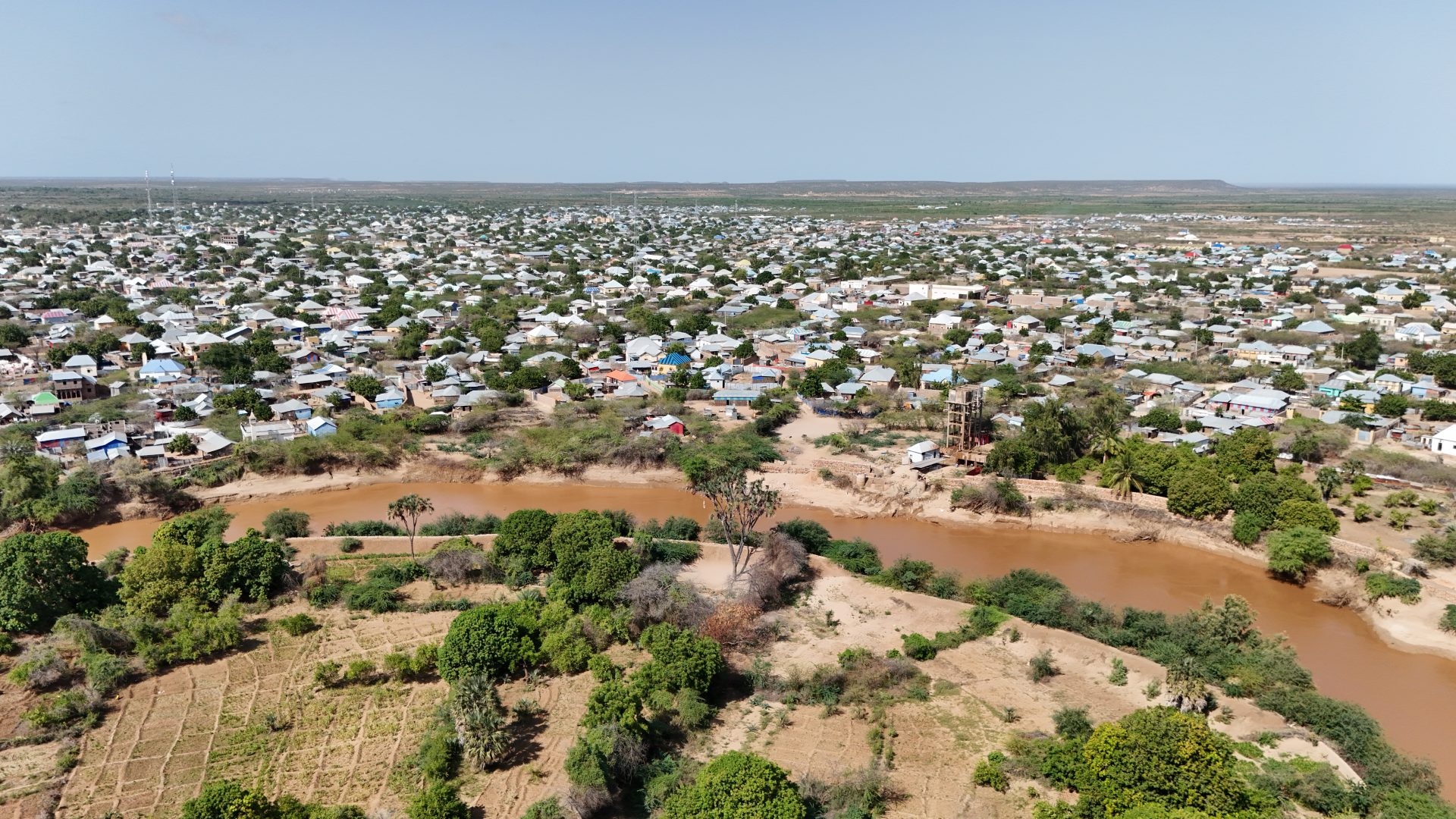
Beledweyne, the capital of Somalia’s Hiran region, is a strategic border town linking Somalia to Ethiopia and connecting northern and western regions to the south. Its location along key trade routes makes it a vital commercial hub, but it has also been a flashpoint in Somalia’s conflict history, shifting hands between government forces and Al-Shabaab. Since 2022, it has served as the center of military operations against Al-Shabaab, mobilizing Somali troops and allied clan militias (Ma’awisley) after local communities rose up against the group.
This blog draws on a recent trip to Beledweyne, where I interviewed civilian leaders and joined a two-day CIVIC workshop with a newly formed Community Protection Group (CPG). It amplifies civilian voices from the frontlines and explores the protection concerns and risks they raised, along with the solutions discussed in the workshop.
Refer to the map at the bottom of the article for an overview of areas of control and influence across Somalia, including Beledweyne’s position in the Hiran region.
Civilian Risks and Protection Concerns
In 2022, communities in central Somalia launched an uprising against Al-Shabaab, which the Somali government quickly leveraged. Al-Shabaab retaliated with indiscriminate asymmetric attacks that caused significant civilian casualties. Recognizing these protection of civilians (POC) concerns, CIVIC established a community-based protection initiative in Beledweyne.
The security situation there remains volatile and civilians in the town and surrounding areas face numerous risks. All armed actors in the conflict have harmed civilians. Residents I spoke with, including members of the CPG, described the everyday risks civilians face.
IDPs and Displacement
 The conflict has driven a rise in conflict-induced displacement, worsening an already fragile humanitarian situation. Like other major towns across south-central Somalia, Beledweyne hosted many IDP sites even before the latest escalation—sheltering families displaced by conflict as well as those uprooted by recurrent climatic shocks such as droughts and floods. The renewed fighting has compounded a long-standing problem.
Beledweyne is also the most flood-prone city in Somalia. The Shabelle River, which runs through the town, frequently bursts its banks during the rainy season, submerging parts of the city and forcing residents to flee. Since 2022, clashes between Al-Shabaab and government forces have triggered significant influxes of displaced families, many crowding into already congested IDP camps. The most recent verified assessment, conducted in April 2025, recorded 75 IDP sites hosting 8,411 households—or 48,863 individuals. This figure has likely risen, as between June and August 2025 thousands more families, most of them women and children, were displaced from the frontlines in Moqokori and Mahaas districts amid bitter renewed fighting with a resurgent Al-Shabaab.
In interviews, displaced persons were repeatedly described as the most vulnerable and in urgent need of protection. They are often targeted by armed actors through robberies and sexual violence. Displaced populations in Beledweyne, as elsewhere in Somalia, live in extreme poverty in overcrowded camps where food, clean water, sanitation, schools, healthcare, and livelihoods are either extremely limited or entirely absent. This desperation is further compounded by dwindling humanitarian assistance.
Gunfire and Arms Misuse
As arms sales expanded and military operations intensified, Beledweyne and the wider region became increasingly awash with weapons and armed men, including ununiformed communal militias identifiable by their signature sarongs (ma’awis in Somali). The town also became a key logistical and mobilization hub for frontline supplies.
One major protection concern raised by interviewees that I also observed during my visit, is the constant sound of gunfire in the city. Beledweyne has become saturated with weapons and armed men, yet there is no effective system of arms management in place.
Armed men, often government troops or clan militias, frequently and randomly fire live bullets into the air. Gunshots can be heard every few minutes. Residents told CIVIC that stray bullets (locally known as wiifto) have killed and injured numerous civilians. Weapons, including heavy arms, are discharged for trivial reasons—from clearing traffic jams to testing newly purchased rifles from the gun market.
Related to the proliferation of arms is the prevalence of armed robberies, particularly mobile-phone theft, which is rampant in the town. Stolen phones are quickly resold in local markets.
Al-Shabaab Attacks

Another major concern for civilians has been the rise in Al-Shabaab attacks. The group conducts frequent bombings, suicide attacks, and targeted assassinations. While many of theseoperations are aimed at security forces, they are often indiscriminate and deliberately target civilians and civilian objects in public spaces such as hotels, restaurants, markets, bus stations, and busy streets.
Residents described the severity of these attacks, noting that Beledweyne may have experienced the second highest number of high-profile incidents outside Mogadishu. Two recent attacks in particular had devastating impacts on civilians. In September 2023, a deadly truck bomb exploded at a security checkpoint in a densely populated residential area, killing 18 people and wounding more than 40, many of whom were civilians. Witnesses told CIVIC that the blast impact was felt several hundred meters away, shattering glass windows and ripping roofing off houses far from the site. The destruction caused by the truck bomb was still visible during my visit.
More recently, in March 2025, Al-Shabaab fighters stormed a popular hotel in the city. The attack began with a car bomb at the entrance, followed by gunmen forcing their way inside. An intense battle with security forces raged for nearly 24 hours, leaving several casualties, including civilians caught in the siege.
The threat of improvised explosive devices (IEDs), Al-Shabaab’s weapon of choice, remains pervasive. IEDs are used to target security forces, government officials, Ma’awisley militias, and civilians alike. Operatives often plant these devices indiscriminately in public spaces, including roads, markets, and tea shops where people gather. The group also carries out grenade and bomb attacks on security checkpoints and public venues frequented by government troops and allied militias. Civilians in close proximity are frequently caught in these blasts.
Residents also highlighted the problem of illegal roadblocks set up by armed men, which restrict freedom of movement, obstruct humanitarian access, and impose heavy economic burdens. The road between Beledweyne and Mataban has become particularly notorious, with truck drivers forced to pay exorbitant fees that drive up costs of goods and contribute to inflation.
Conflict-related sexual violence is also widespread in Beledweyne and its surroundings. A police officer responsible for recording cases at one of the town’s stations told CIVIC that new rape cases are reported almost daily. She described recent incidents, including the gang rape and torture of a woman by three men, as well as assaults on children, such as a case involving a five-year-old girl reported in February.
A local woman leader who has long supported survivors of sexual violence added that stigma often prevents victims from seeking help. Many only come forward when the consequences—such as pregnancy or infections, including HIV and other STIs—become apparent. She emphasized that awareness of available services, including medical support, is still very limited, and that fear of victimization and social stigma continues to silence many women.
Civilian Voices and Local Solutions

The two-day capacity-building workshop generated lively and, at times, heated discussions among the CPG members, who identified many of the protection concerns described above as well as others. Members examined these POC risks in detail and proposed a range of community-led solutions. The CPG is composed of 30 community representatives drawn from some of the most influential and vocal segments of society in Beledweyne, including eight women leaders. Members agreed that many of the solutions to these challenges ultimately lie within the community itself. One theme that was repeatedly emphasized was the importance of strengthening law and order, particularly by empowering law enforcement institutions such as investigative agencies and local courts, which participants said are currently weak and dysfunctional. To curb weapons misuse, members called for stronger arms management and tracking systems.
One of the most heated debates during the workshop—initiated by a female member and drawing wide participation—focused on conflict-related sexual violence (CRSV), particularly rape, and how best to address it. CRSV is rampant in Beledweyne and surrounding areas, with displaced women and girls especially vulnerable. The issue of rape has long been contentious in Somalia, sparking strong emotions and debate among civil society, women leaders, and policymakers. In the current context, rape is often adjudicated through customary law systems dominated by male elders. Many of the individuals I interviewed, including CPG members, strongly criticized this practice as unjust, not survivor-centered, and overly lenient toward perpetrators. They argued that it fails to deliver justice, provides little deterrence, and contributes to the persistence of sexual violence.
Participants noted that it is rare for civil courts to prosecute rape cases. Even when cases reach the courts, they are often referred back to elders for customary resolution. Such processes—including practices like marrying survivors to perpetrators—seldom work in survivors’ favor. Many CPG members stressed that the traditional system is neither survivor-centric nor victim-led, and often silences or marginalizes survivors’ voices. They recommended stronger punishments for perpetrators and called for civil courts to take the lead in adjudicating rape cases, both to ensure justice and to create real deterrence. Some even advocated for the maximum penalty of capital punishment for convicted rapists.
Members also shared examples of what the CPG has already accomplished in promoting civilian self-protection. A local woman leader explained how she has supported rape survivors by referring them to protection organizations in Beledweyne for medical and psychosocial assistance. However, she noted that recent funding cuts to humanitarian organizations providing these services have left many survivors without essential support. She also described how she educates women in the IDP camp she leads about the importance of speaking out if they experience sexual violence, encouraging them not to remain silent but to seek help.
Through community advocacy, including efforts by CPG members, progress has also been made in addressing illegal roadblocks. A few months ago, communities worked with local authorities to lobby for the removal of numerous checkpoints on the Beledweyne–Mataban road where residents were extorted. While not all were dismantled, community pressure succeeded in having many of them removed.
One male member from the Bundaweyn neighborhood shared how he and others have set up mechanisms to directly support civilian protection. He explained that they have recently assisted expectant mothers in passing safely through the heavily restricted security checkpoint near the main bridge at night, ensuring that women could reach hospitals for urgent care.
Conclusion

Communities in Beledweyne face overwhelming risks—from displacement and sexual violence to gunfire, armed robberies, and indiscriminate Al-Shabaab attacks. Yet, despite thesechallenges, they continue to seek solutions. The voices heard during the CIVIC workshop and in conversations with community members reflect both frustration with the dangers they live under and determination to find ways forward.
CIVIC’s intention in supporting the Community Protection Group is to amplify these voices, expand dialogue, and strengthen local resilience. The CPG is already taking steps, whether by lobbying against illegal roadblocks, supporting survivors of sexual violence, or helping civilians navigate roadblocks. These are small but significant examples of community-led protection in the face of immense challenges. Participants welcomed CIVIC’s work in Beledweyne and urged that the program be expanded to other conflict-affected communities across the Hiran region.
As Somalia’s conflict continues to evolve, it is crucial that frontline civilian voices remain at the center of discussions on protection. Listening to their perspectives and acting on their priorities offers both immediate relief and longer-term pathways to strengthen civilian protection in Beledweyne and beyond.