Khrystyna Kozak, Lauren Spink, and Vladyslav Iierusalymov
The Russia-Ukraine war has been devastating for civilians, with 2025 the deadliest year since 2014. Yet civilian harm is not inevitable: it depends on the decisions of the soldiers who fight, and on whether they comply with international humanitarian law (IHL) or show restraint beyond it.
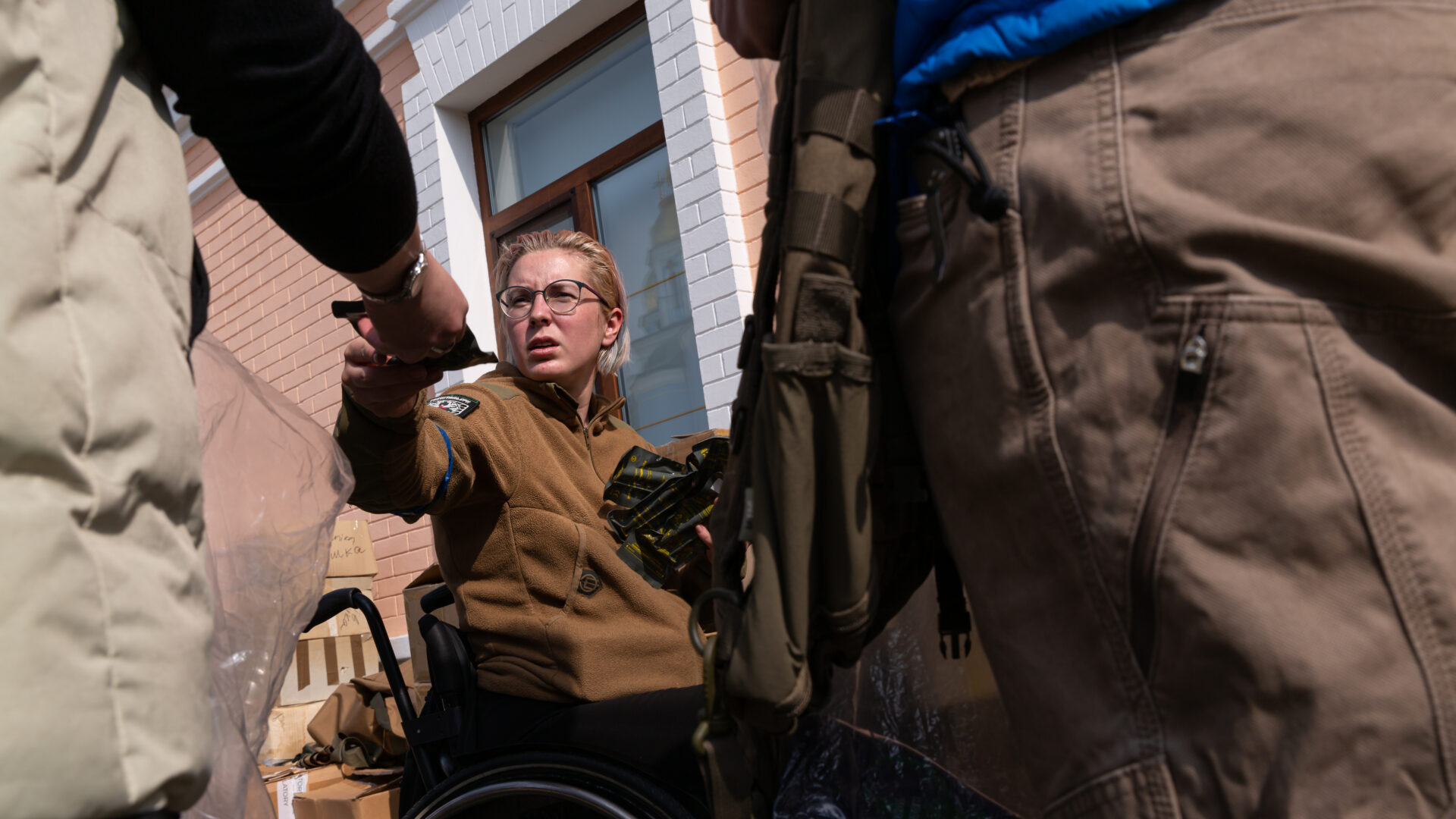
This policy paper — Issue No. 1 of the Beyond Compliance Policy Series — examines what drives Ukrainian defence and security forces to protect civilians and mitigate harm. Drawing on 73 interviews with Ukrainian armed actors, civil society, local authorities, and international organisations, it documents protective practices: delivering supplies to civilians, supporting evacuations, avoiding indiscriminate weapons near populated areas, and adjusting troop positions to keep Russian fire away from towns.
The research finds that IHL matters, but mostly indirectly — through commanders’ directives, doctrine, and institutional practice. Soldiers themselves point above all to moral obligation, rooted in the defensive nature of the war and their identity as protectors. At the same time, fatigue, the adversary’s conduct, and growing frustration with civilians in frontline areas put consistent protection at risk.
The paper recommends institutionalising good practice on compliance and restraint, bridging the gap between IHL training and battlefield realities, strengthening commanders’ adherence to IHL and civilian harm mitigation, and investing in civil-military engagement.”