By Hichem Khadhraoui
As the NATO Summit in The Hague concludes, the world’s most powerful alliance has once again pledged to bolster deterrence and readiness in the face of rising threats. To achieve that, NATO members have agreed to increase their defense spending to 5%, a remarkable jump from the current 2% guideline. This commitment underlines a hard truth: civilians are paying the price for a global security model that still fires before it talks.
From Gaza to Tehran, Tel Aviv to Kyiv, Beirut to Sana’a, Sudan to Myanmar, the pattern is tragically familiar: urban warfare, heavy explosives, indiscriminate attacks, and a collapse of norms that once constrained how wars were fought. Modern conflicts are waged in city streets and apartment blocks, turning every neighborhood into a potential graveyard.
In 2024, more than 36,000 civilians were killed across 14 armed conflicts and over 360 humanitarian workers were killed in 20 countries — the deadliest year on record for aid personnel. The number of forcibly displaced people also rose to 122.6 million, a historic high. These figures, reported in the UN Secretary-General’s latest report to the Security Council on the protection of civilians, reflect a world in which the laws of war are not just being ignored — they are being systematically undermined.
While NATO leaders affirmed commitments to defend territories and deter aggression, there was little to no focus on either the prevention of violent conflict or on how states can and must protect people living in conflict zones during military operations. There were no discussions on how to use the increased defense budgets to bolster global protection of civilians efforts and preserve the centrality of civilian protection in warfare. Diplomatic solutions continue to lag behind military build-ups, leaving civilians trapped between warring parties and powerful arsenals.
At the same time, the retreat from humanitarian norms is accelerating. We are witnessing a global backslide on the rules meant to protect civilians. Governments are cherry-picking when and how to apply international humanitarian law (IHL), undermining its universality. The bedrock principles meant to underpin wartime conduct — and the balance between humanity and military necessity — are being eroded by politicized interpretations, selective enforcement, and double standards.
Protecting civilians and the humanitarian workers who support them is not an afterthought; it must be at the core of security planning.
Militaries themselves know this: when the protection of civilians is integrated into operations, lives are saved and missions succeed.
As global leaders return home from The Hague, they must do more than plan for the next war. They must think about how to prevent it. They must plan to prevent the killing of civilians. The rules that protect civilians must be upheld — universally, consistently, and urgently.
If the world continues to fire before it talks, we risk not only more civilian deaths, but also the collapse of the norms that sustain global peace and security. NATO’s credibility — and the world’s conscience — depends on choosing protection over indifference.
Hichem Khadhraoui is the Executive Director at CIVIC
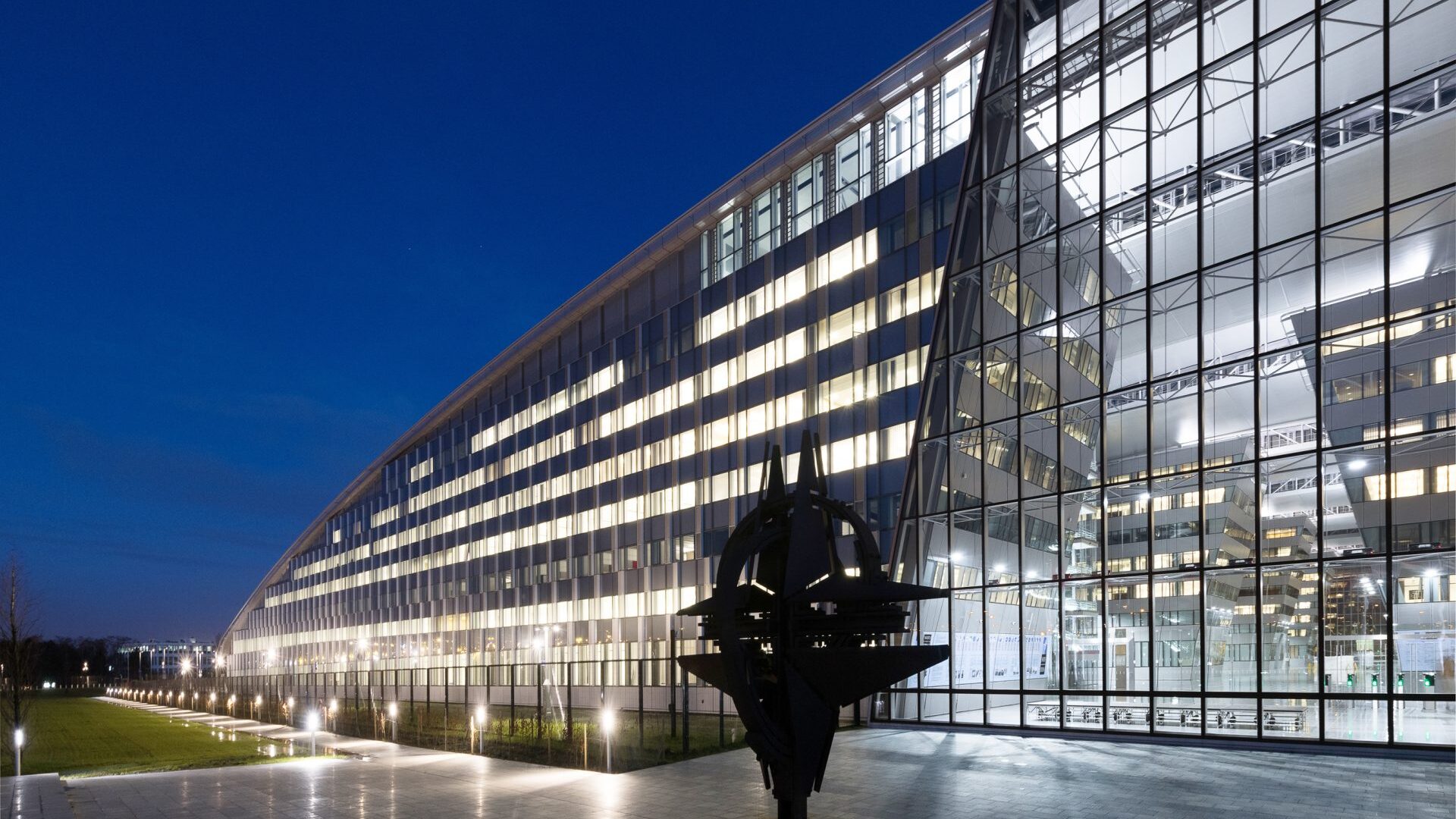
Image courtesy of Marc Detiffe