Washington, D.C. —October 8, 2024 – With more than 120 armed conflicts around the world and increased risk of harm to civilians in these contexts, Center for Civilians in Conflict (CIVIC) launched on Tuesday its first Protection of Civilians (POC) Trends Report and Civilian Protection Index. The POC Trends Report documents the impact that conflict and situations of extreme violence had on civilians around the globe in 2023, highlighting how the protection situation for many civilians deteriorated significantly over the course of the year.
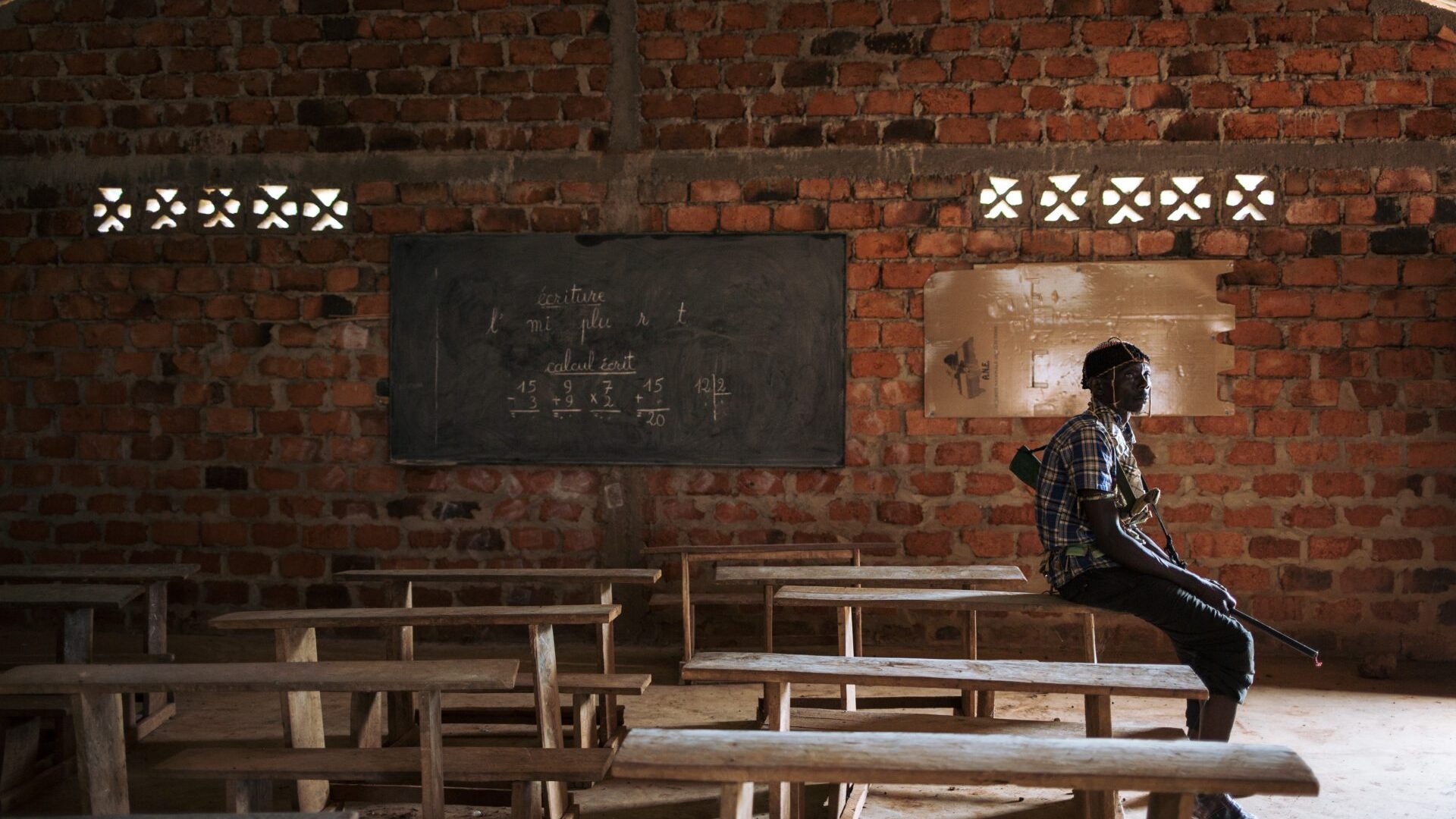
According to United Nations (UN) data, civilian casualties rose by 72 percent in 2023 as compared to 2022. The war between Israel and Palestinian armed groups was largely responsible in its first three months for the increase in harm to civilians last year. Across the world, places considered to be safe, such as schools and hospitals were regularly targeted, with attacks on educational facilities rising by 80 percent. In the year 2023, 280 humanitarians were killed—more than double the number killed delivering aid in 2022.
“At this time of heightened threats to civilians, governments, militaries, and other armed actors need to take seriously their obligation to protect civilians. We cannot look at these figures on civilian casualties, attacks on schools and medical facilities, sexual violence, and grave violations against children and conclude that it is acceptable to continue waging wars in the same way,” said Lauren Spink, CIVIC’s Senior Research Advisor and lead on compiling the content for the report.
The report also seeks to amplify civilian experiences and highlight underreported aspects of civilian harm, such as the intersection of climate change and security in northeast Nigeria to the enduring mental health impacts of conflict on children, and the search for redress in Colombia. These stories are told through spotlight articles from experts on the topics and contexts, including civil society leaders and humanitarians witnessing the trends first-hand.
The Civilian Protection Index was developed in collaboration with the Institute for Economics and Peace. It incorporates 15 protection-related indicators to assess the overall protection environment in 163 countries worldwide. Among the indicators used are direct and indirect measures of violence like civilian deaths, sexual violence, and the number of firearms circulating among the population, as well as attributes of protective environments, such as trust in government institutions and the quality of civic space.
The POC Trends Report and Civilian Protection Index are tools for policy makers, practitioners, academics, and journalists to understand and reverse the trend of growing harms that civilians are facing. To this end, the report includes a Roadmap for Action that states, regional and international bodies can follow to address and prevent harm to civilians in conflict contexts.
“With this report and the Civilians Protection Index, we seek to create practical tools for those who have an obligation to protect civilians by offering actionable steps they can follow and implement. There are a wide range of actions that can be taken to make sure the protection of civilians is a respected obligation nationally and internationally,” said Spink.
Among the actions recommended by CIVIC are efforts to operationalize international legal obligations through national protection of civilian policies, the suspension of arms transfers if there is a risk they may be used to violate international law, as well as endorsing and implementing the Political Declaration on Strengthening the Protection of Civilians from the Humanitarian Consequences of the use of Explosive Weapons in Populated Areas (EWIPA).
For more information or to arrange an interview, please contact:
CIVIC Global Communications: [email protected]
About CIVIC
Center for Civilians in Conflict (CIVIC) is an international non-governmental humanitarian organization that envisions a world in which no civilian is harmed in conflict. Learn more at www.civiliansinconflict.org and follow CIVIC on Instagram, Twitter, LinkedIn, and Facebook.
EXPLORE THE CIVILIAN PROTECTION INDEX