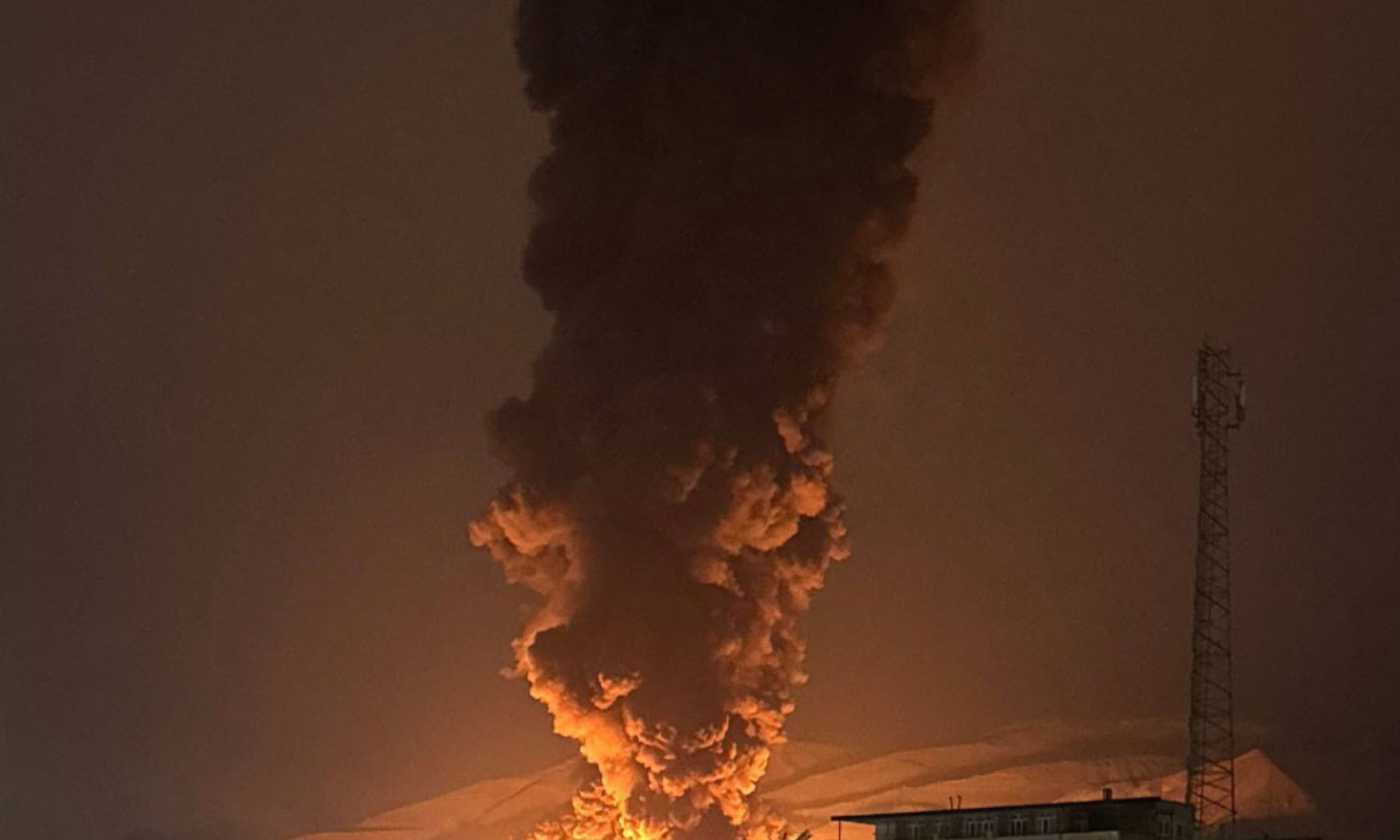
Civilians have borne the brunt of the US-Israel-Iran war since it began on February 28, 2026. This brief by Human Rights Activists in Iran (HRA), Center for Civilians in Conflict (CIVIC), and Airwars assesses key civilian harm trends from the first month of the US and Israeli campaign in Iran and examines how civilian harm has been generated, compounded, and normalized in the current conduct of hostilities.
Key figures and trends explored in this brief include:
- Between February 28 and March 23, HRA recorded at least 1,443 civilian deaths, including at least 217 children, resulting from US and Israeli airstrikes in Iran. These figures represent verified minimums and are expected to rise.
- During the same period, Airwars documented at least 130 separate incidents of civilian harm, including attacks on healthcare, education facilities, and residential areas.
- In the deadliest day so far recorded by HRA, at least 252 civilians were killed on March 9 in a barrage of almost 400 strikes across the country, reflecting a high tempo of operations. That number is almost as many civilians as Airwars recorded killed in the entirety of last year’s 52-day US operation on Yemen – at the time, a campaign of unprecedented harm.
- Drivers of civilian harm from US and Israeli operations identified by CIVIC, HRA, and Airwars include targeting errors and misidentification, including as a result of outdated or faulty intelligence; inadequate precautionary warnings for civilians; the use of explosive weapons in densely populated areas; and attacks on or impacting civilian and “dual-use” infrastructure, risking long-term reverberating impacts on civilians’ well-being.
- As of March 23, HRA found that 37% of confirmed attacks took place in Tehran’s urban environments. HRA has verified damage to 60 hospitals or medical centers, 44 schools, and 129 residential buildings, while government estimates indicate more than 16,000 homes were damaged. 543 strikes targeted “dual-use” infrastructure, including energy and transport systems essential to civilian life. The humanitarian impact is significant, with approximately 3.2 million people reportedly displaced according to United Nations figures.
- Moreover, HRA has documented how Iranian civilians have faced intensified domestic repression since February 28, including expanded arbitrary arrests (at least 1,830 as of March 19), restrictive security controls, and inflammatory official rhetoric threatening arrest and even death to perceived opponents, further constraining the ability to seek safety or access information.
- Civilian vulnerability is compounded by restricted access to information and movement. Internet connectivity has dropped to approximately 1% of normal levels, with associated economic losses estimated at $37 million per day.