Syria

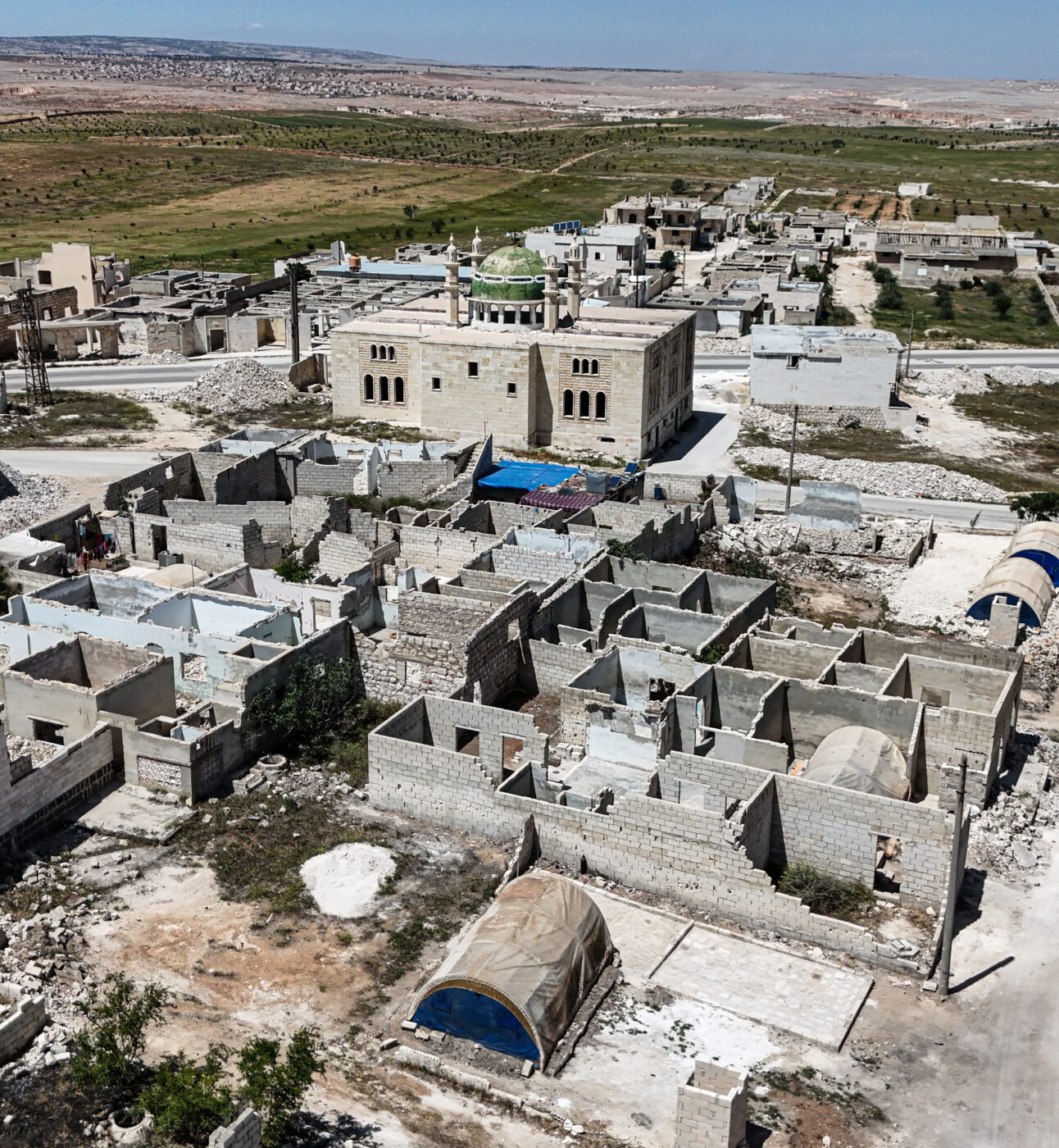
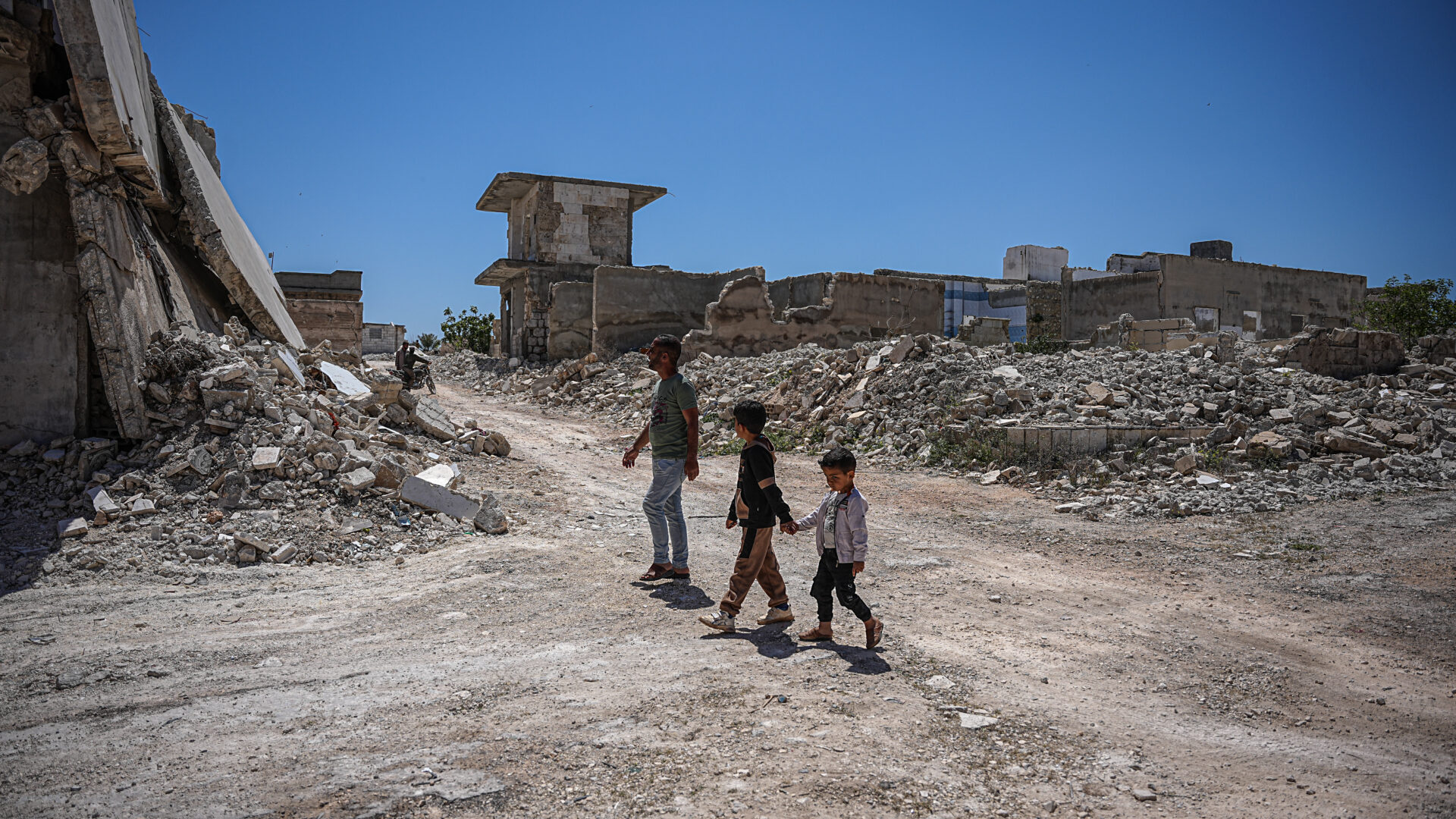
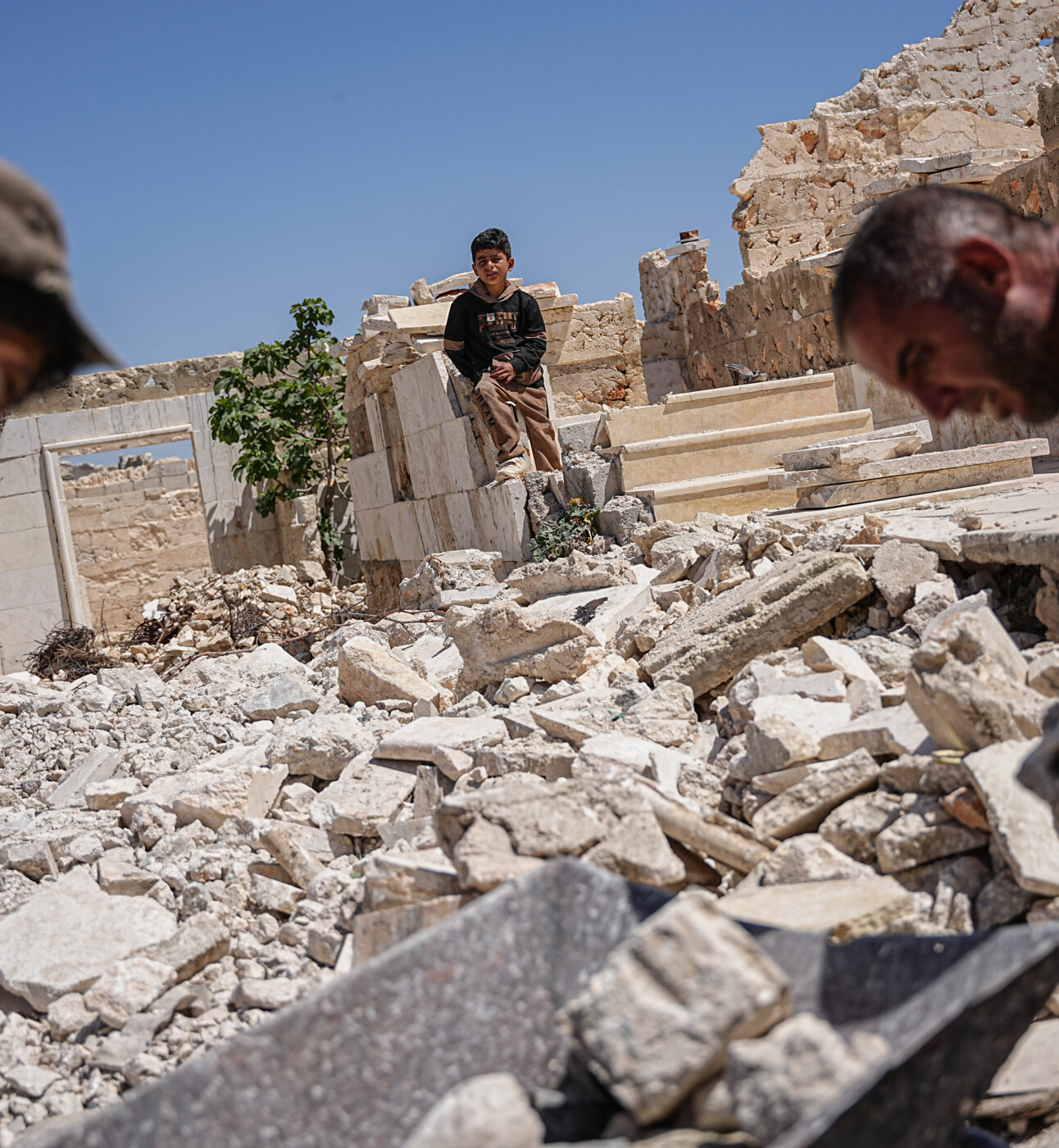
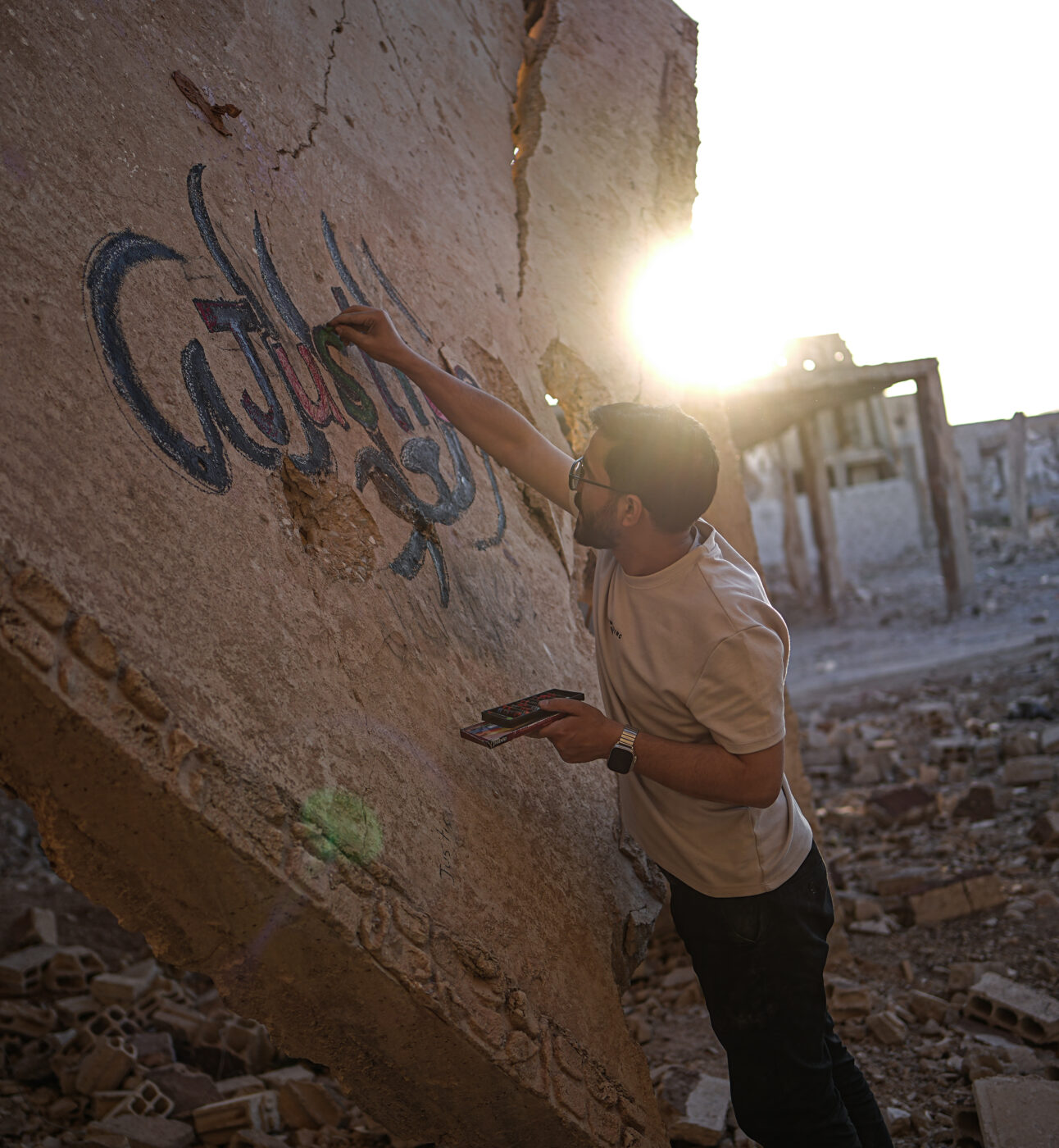
Following years of conflict, Syria continues to face profound protection challenges despite reductions in large-scale hostilities in many parts of the country. Communities remain affected by weakened institutions, fragmented governance, economic hardship, social polarization, the presence of explosive hazards, and deeply eroded trust between civilians and authorities.

In this context, CIVIC is establishing a long-term presence to support locally driven approaches to civilian protection, strengthen community resilience, and foster more responsive and accountable security practices.

In 2025, CIVIC launched its first sustained engagement in Syria through field-based consultations in Aleppo, Homs, and Damascus. Working alongside local partners, including the Syrian Dialogue Center, CIVIC engaged civil society organizations, religious leaders, community representatives, returnees, security actors, parliamentarians, and local authorities to better understand civilian protection concerns and identify opportunities for constructive dialogue and practical solutions.
Community-Based Protection & Dialogue Roundtables

A key component of CIVIC’s approach is community-based protection. Through multi-stakeholder protection roundtables held in Homs and Aleppo, CIVIC created spaces for discussion on weapons proliferation, community security, hate speech, social fragmentation, economic drivers of insecurity, declining trust in public institutions, and barriers affecting civilian safety and recovery. Importantly, the dialogues helped shift discussions from identifying problems to jointly exploring solutions and clarifying the roles that communities, civil society, and institutions can play in improving civilian safety.

Humanitarian Diplomacy & Access Facilitation

CIVIC sees an important role for humanitarian diplomacy in supporting civilian protection and enabling principled humanitarian action. Through engagement with authorities, community leaders, civil society organizations, and security actors, CIVIC seeks to help address barriers that affect humanitarian access, civilian movement, service delivery, early recovery efforts, and the safe, voluntary, and dignified return of displaced populations. By creating channels for dialogue and confidence-building among stakeholders, CIVIC aims to contribute to an environment in which humanitarian and development actors can operate more effectively.

Engaging Security Actors & Addressing Mine Action Mitigation

CIVIC will deepen its engagement with security and defense institutions through bilateral engagement and will work with security actors to strengthen awareness, acceptance, and implementation of Protection of Civilians principles and practices. Recognizing the growing concerns regarding explosive weapons, landmines, and unexploded ordnance, CIVIC aims to integrate these concerns into community dialogues, advocacy efforts, and engagement with authorities and international partners, while supporting locally informed approaches to civilian harm mitigation, risk reduction, mine action prioritization, and implementation of the Political Declaration on Strengthening the Protection of Civilians from the Humanitarian Consequences arising from the Use of Explosive Weapons in Populated Areas (EWIPA).

Future Outlook & Core Strategies

As it expands its presence in Syria, CIVIC will continue prioritizing partnerships with Syrian civil society organizations, particularly women-led and community-based groups. Through research, humanitarian diplomacy, dialogue, advocacy, and engagement with both communities and security actors, CIVIC seeks to support a future in which civilians play a meaningful role in shaping policies and practices that affect their safety, dignity, security, and access to assistance. By strengthening connections between communities, institutions, and security actors, CIVIC aims to contribute to more accountable governance, safer communities, and the conditions necessary for sustainable peace, recovery, and long-term civilian protection in Syria.