Geneva, 22 April 2025 – On this international Earth Day, Center for Civilians in Conflict (CIVIC) recognizes the profound impact that climate change can have on conflict, and ultimately on the civilians who bear its brunt. Through our programmatic work and research, CIVIC has seen this impact first-hand.
“Climate change doesn’t just threaten ecosystems—it fuels instability and increases risks to civilians. These threats are real and growing. We see them every day in our work around the world. Member states must address this conflict-climate nexus and ensure that civilian protection is integrated into climate responses,” said Wendy MacClinchy, Director of CIVIC’s United Nations Program.
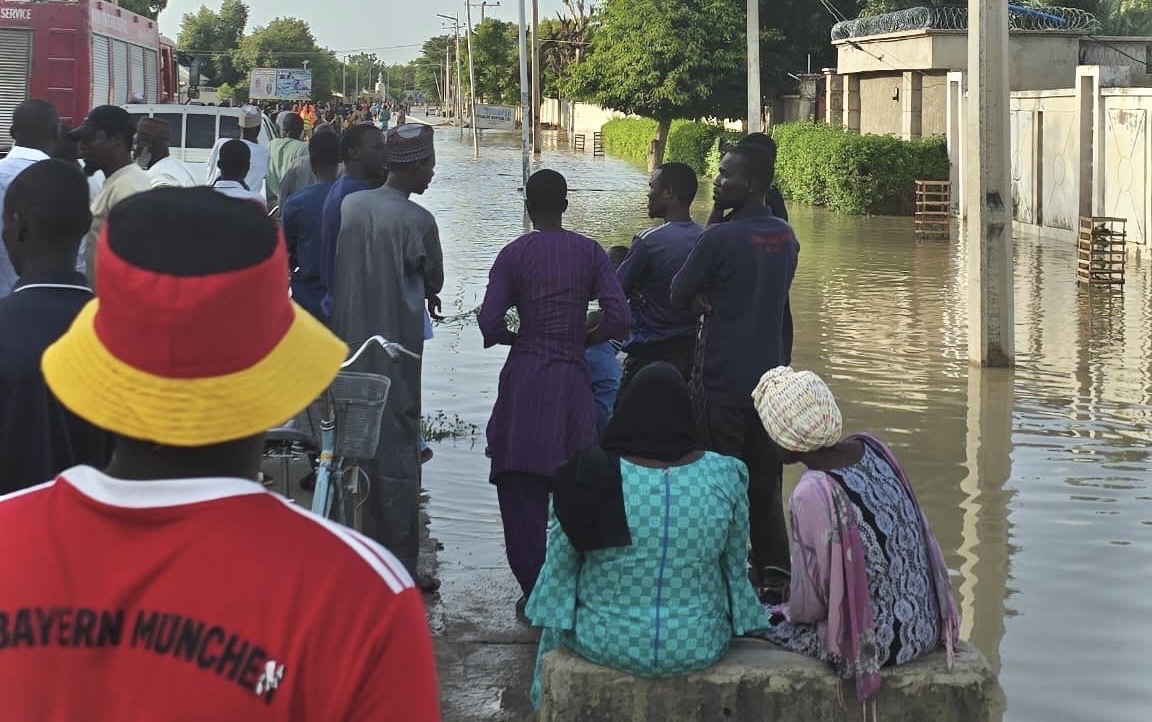
In northeast Nigeria, desertification forces women to walk further to collect firewood, increasing the risk that they will encounter armed groups and be subjected to harm, including conflict-related sexual violence. Climate shocks, such as severe floods, also compound conflict threats, displacing vulnerable groups and damaging essential infrastructure already weakened by conflict. CIVIC’s community-based protection in Nigeria has enhanced communities’ capacity to tackle the dual threat of conflict and climate change.
The war in Ukraine, now in its third year, has had devastating environmental impacts. Attacks on chemical plants, coal plants, and dams have destroyed ecosystems, contaminated the water and earth, and disrupted livelihoods.
In Yemen, which is already one of the most water-scarce countries on the planet, climate change, environmental degradation brought on by the collapse of public services, the wide-scale use of landmines, and competition over resources has led to localized conflicts and resulting civilian harm. In addition, the destruction of water infrastructure during the conflict has further reduced civilians’ access to water, compounding the already devastating humanitarian impacts of war. Governance systems that could manage water-use and water-related tensions have also been disrupted by war.
As the fifth most vulnerable country to climate change according to the United Nations, Iraq’s post-conflict recovery is seriously threatened by rising temperatures and environmental degradation. Climate-related loss of livelihoods and migration threaten to flare tensions between communities that are already at odds from years of conflict.
In South Sudan, natural hazards related to climate change are creating new vulnerabilities for civilians while also imposing resource, logistics, and capacity challenges on the UN peacekeeping mission there. Erratic weather such as extreme flooding has imposed severe limitations on the mobility needed for prevention and response.
At CIVIC, we are committed to understanding how climate change exacerbates threats to civilian communities and alters civilian self-protection strategies, as well as how climate shocks compound the different vulnerabilities of women, men, children, older persons, persons with disabilities, and displaced persons. This knowledge will better enable us to implement solutions to the risks civilians are enduring.
For additional information or media inquiries, please contact:
CIVIC’s global media team: [email protected]