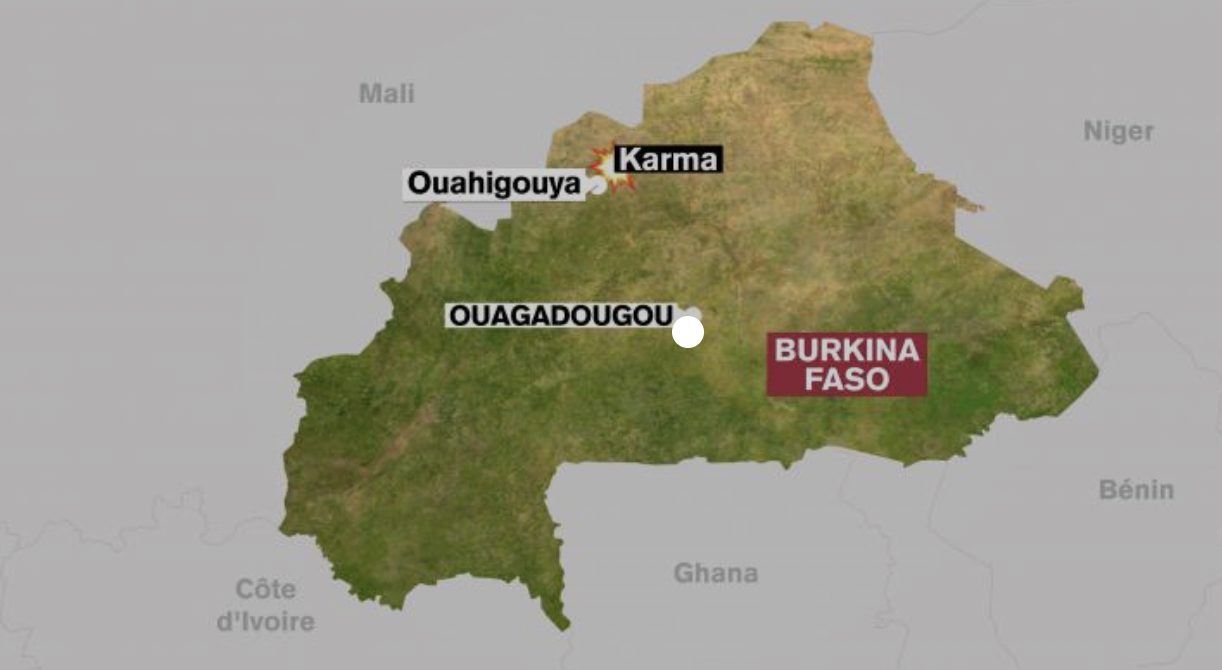
CIVIC is calling for an investigation following the killing of civilians in airstrikes
Conflict across the Sahel is increasingly regional, with armed groups, violent extremism, climate-related pressures, displacement, and humanitarian crises transcending national borders and exposing civilians to persistent risks.
Working across Mali, Burkina Faso, Niger, Chad, and Mauritania, CIVIC strengthens the protection of civilians by supporting more accountable security responses and advancing regional cooperation. Recognizing that these challenges cannot be addressed through military responses alone, CIVIC works with governments, security forces, civil society, and conflict-affected communities to build sustainable, people-centered approaches to civilian protection.
Strengthening security actors to protect civilians
CIVIC supports governments and defense and security forces to institutionalize Protection of Civilians (PoC) and Civilian Harm Mitigation (CHM) within security policies, military doctrine, professional military education, operational planning, and field operations. Through technical assistance, research, and humanitarian diplomacy, we help security institutions prevent, mitigate, track, analyze, and respond to civilian harm while strengthening trust with the communities they serve.
Since 2018, CIVIC has partnered with Sahelian governments and the G5 Sahel Joint Force to strengthen civilian harm tracking and response, including through the development of the Civilian Incident Tracking, Analysis and Response Mechanism (CITAC/MISAD). Building on this experience, CIVIC continues to support national institutions in integrating civilian protection into military operations and institutional reforms across the region.
Supporting communities
Communities are at the center of CIVIC’s approach to civilian protection. We establish Community Protection Groups (CPGs), facilitate dialogue between civilians and security actors, and support civil society organizations to engage constructively with authorities on protection priorities.
Through the Protection of Civilians Evaluation Framework, CIVIC also supports civil society and national stakeholders to monitor protection outcomes, identify gaps, strengthen evidence-based advocacy, and promote accountability. At the same time, we help connect community-based early warning systems with national response mechanisms so that local protection concerns are effectively communicated, analyzed, and acted upon by decision-makers.
Influencing policy and institutions
CIVIC works with governments, regional organizations, and national partners to strengthen policies, promote peer learning, and integrate Protection of Civilians into national security strategies and regional political dialogue. Through humanitarian diplomacy and technical engagement, we support the development of stronger institutional frameworks that place civilian protection at the heart of security governance.
Building resilience through protection
Many protection risks stem from weak governance, climate stress, competition over natural resources, and limited livelihood opportunities. To address these underlying drivers, CIVIC is advancing a community-driven protection through Development approach that combines protection, resilience, social cohesion, and locally led development initiatives. Working alongside humanitarian and development partners, we help communities strengthen their capacity to prevent violence, reduce vulnerability, and build long-term resilience.